

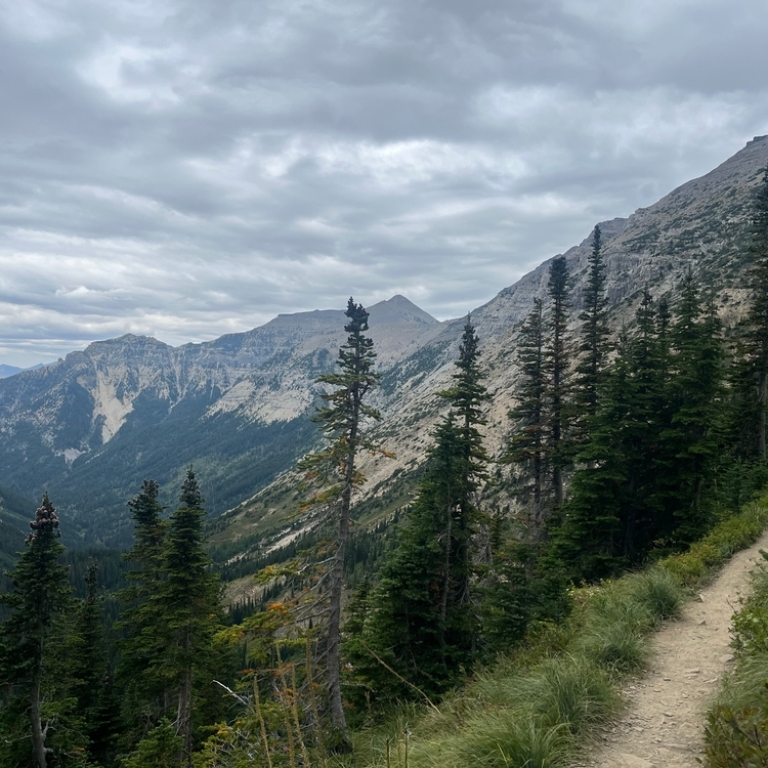
In functional medicine, we often begin with a simple but powerful question: How can the body work better? Not merely how to silence symptoms—but how to optimize function at the cellular level.
Modern life has altered our environment in profound ways. We sit more. We spend more time indoors. We experience chronic stress without physical release. We are exposed to artificial light late into the evening and disconnected from natural rhythms that once regulated our physiology. Over time, this mismatch between biology and lifestyle contributes to fatigue, metabolic dysfunction, autoimmune conditions, mood disorders, and cardiovascular disease.
When we talk about the health benefits of hiking, we are not simply referring to exercise. We are talking about restoring essential biological rhythms—movement, sunlight, fresh air, variable terrain, nervous system regulation—the very conditions the human body was designed to experience. Whether you live in the mountains or have access to local trails, parks, or green spaces, hiking offers a powerful and accessible way to support multiple systems at once. In this article, we will explore the health benefits of hiking, including how hiking supports stress regulation, metabolic health, immune balance, cardiovascular function, and long-term resilience through a functional medicine lens.
Regulating the Stress Response
Chronic stress is one of the most significant drivers of long-term illness. Persistently elevated cortisol affects blood sugar regulation, sleep quality, immune balance, and inflammation. Many patients with thyroid dysfunction, adrenal imbalance, anxiety, or autoimmune conditions are living in a state of low-grade stress activation. The health benefits of hiking directly support nervous system regulation.
Steady, rhythmic walking helps shift the body out of sympathetic dominance and into a more balanced parasympathetic state. This transition improves heart rate variability, reduces perceived stress, and supports healthier cortisol patterns. Unlike high-intensity workouts that may further stress an already dysregulated system, hiking provides moderate aerobic activity that is restorative rather than depleting.
Natural light exposure during outdoor activity also anchors circadian rhythm. Proper circadian signaling supports melatonin production, improves sleep quality, and enhances cellular repair processes. For individuals struggling with insomnia, fatigue, or inflammatory conditions, this alignment is foundational. From a functional medicine perspective, hiking is not just stress relief. It is nervous system recalibration.
Supporting Metabolism and Cardiovascular Health
Many chronic conditions share a common root: metabolic dysfunction. Insulin resistance, elevated blood pressure, abnormal lipid profiles, and increased visceral fat often develop gradually from years of sedentary behavior and chronic stress.
The health benefits of hiking address these drivers in a sustainable way.
Moderate aerobic movement increases insulin sensitivity and enhances mitochondrial function. During steady walking, skeletal muscles utilize glucose efficiently, helping stabilize blood sugar levels. Over time, this improves metabolic flexibility and reduces the risk of progression from insulin resistance to type 2 diabetes. Along with supporting metabolism, cardiovascular health also benefits from terrain variability. Walking on inclines and uneven surfaces gently challenges the heart and lungs, improving endurance and circulation. Improved circulation enhances oxygen delivery to tissues and supports detoxification pathways.
For patients managing metabolic syndrome or early cardiovascular disease, hiking offers health benefits through a practical strategy that is less intimidating than structured gym programs yet equally effective when practiced consistently. Functional medicine emphasizes daily habits over extreme interventions. Hiking fits this philosophy. It is sustainable, adaptable, and rooted in physiology.
Immune Balance, Mood, and Inflammation
Hiking’s health benefits extend into immune and mental health as well. Chronic inflammation underlies many modern conditions, including autoimmune disease, depression, and cognitive decline. Time spent in natural environments has been shown to reduce inflammatory markers and lower sympathetic nervous system activation. Even short, regular exposure to green spaces can positively influence immune balance.
Sunlight exposure supports vitamin D production, which plays a critical role in immune modulation and bone health. Many individuals with chronic illness have suboptimal vitamin D levels, making safe outdoor activity a meaningful component of comprehensive care.
Along with physical adaptation, mood regulation is another important factor. Physical movement increases endorphins and supports the production of brain-derived neurotrophic factor, which promotes cognitive resilience. Patients often report improved clarity and reduced anxiety after hiking. This is not anecdotal. It reflects measurable shifts in neurochemistry and stress hormones. The sensory experience of nature also reduces cognitive overload, which is common in such a fast-paced society. Natural environments allow the brain to recover from constant digital stimulation. For individuals experiencing burnout, brain fog, or hormonal shifts, this restorative effect can be significant.
In functional medicine, we view the body as an interconnected system. The health benefits of hiking influence the nervous system, metabolic pathways, immune signaling, and mental health simultaneously. Few interventions provide such broad systemic impact with minimal cost or risk.
The Health Benefits of Hiking Are Just the Beginning
Often, better health is not found in complexity. It is found in returning to foundational principles. Hiking is one of those principles. It reflects a belief central to Alpine Medical: that the body is designed to heal when given the right conditions. Sustainable movement, restorative rhythms, and consistent engagement with the natural world are not luxuries; they are essential components of long-term wellness.
For those seeking to address root causes rather than symptoms alone, incorporating regular time on the trail to gain the health benefits of hiking may be a practical and powerful step toward long-term resilience.
If you are ready to explore a personalized, root-cause approach to your health, we invite you to schedule a consultation with our team. Together, we can evaluate where your systems may be out of balance and develop a plan designed to restore function, resilience, and long-term vitality.
Add a Comment