

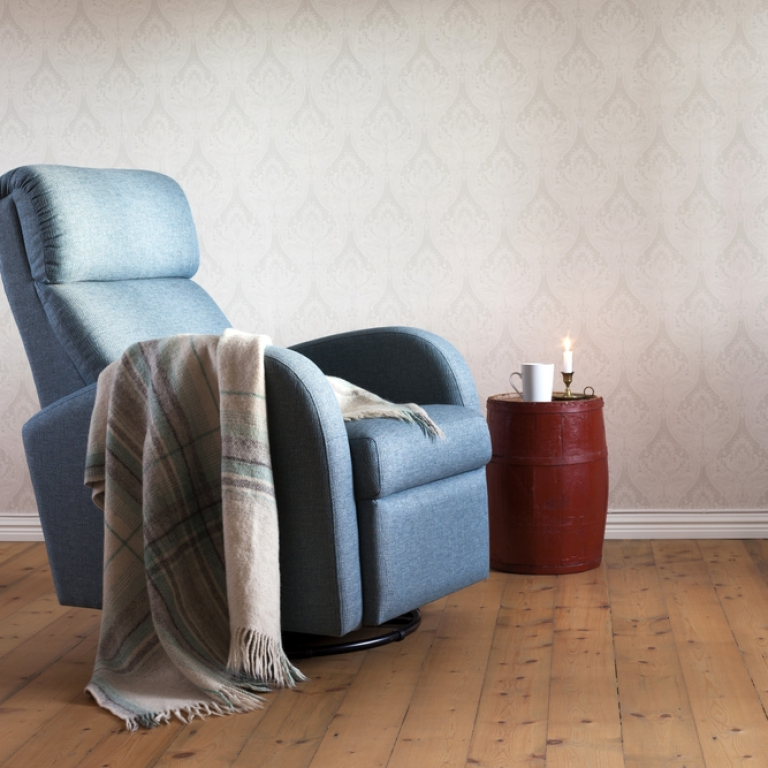
Sitting back in a recliner may seem like a place of comfort, offering a cozy spot to relax, read, or even catch some sleep. While the reclined position may seem conducive to rest, some people are wondering, “Is sleeping in a recliner bad for your heart?” Researchers and healthcare professionals are exploring whether prolonged periods in a recliner could pose risks to cardiovascular health and well-being. In the following article, Alpine Medical Specialty Practices delves into the implications of sleeping in a recliner and whether it’s bad for the heart.
Sleeping in a Recliner: Strain on the Heart
When you recline in a chair, specifically in a fully supine position, the body’s alignment changes, which could potentially affect cardiovascular function. One primary concern is the angle at which the body is positioned when reclining. When lying flat, gravity distributes body weight evenly, promoting healthy blood circulation. Reclining, on the other hand, compresses the chest cavity, altering the natural alignment of the body and potentially impeding blood flow. This altered posture can restrict the movement of the diaphragm, reducing the efficiency of breathing and placing added strain on the heart.
The reclined position can also lead to increased pressure on the heart itself. In this posture, the heart has to work harder to pump blood against gravity to reach vital organs. Consequently, sleeping in a recliner could be bad for the heart, for it may compromise the body’s ability to regulate fluid balance. Again, in the upright position, fluid tends to accumulate in the lower extremities due to gravitational forces. This fluid redistribution can increase the volume of blood returning to the heart, potentially overwhelming its capacity and leading to cardiac strain. Additionally, individuals with heart failure or other cardiac conditions may experience worsened symptoms when reclining, as fluid retention and edema can exacerbate their condition. Also, with the heart working harder to pump blood, there is a potential for elevated blood pressure with the increased cardiac workload.
The reclined position can also affect the body’s autonomic nervous system, which regulates heart rate and blood pressure. When reclining, particularly in a semi-upright position, the body may perceive a state of relaxation and initiate parasympathetic responses. Relaxation may be the goal after a long day’s work, but the parasympathetic response can become problematic during sleep. Parasympathetic dominance may lead to a decrease in heart rate and cardiac output, which could be insufficient to meet the body’s demands during sleep, especially in individuals with pre-existing cardiovascular conditions.
Secondary Health Effects of Recliners
Beyond the direct impact on heart function, sleeping in a recliner can be bad for the heart because it can contribute to a sedentary lifestyle, which is a known risk factor for heart disease. Spending prolonged periods sitting or reclining reduces physical activity levels, which can lead to weight gain, muscle atrophy, and metabolic disturbances – all of which increase cardiovascular risk.
The convenience of recliners, with their mechanical levers for adjustment, may encourage reliance on external assistance rather than maintaining one’s own strength and mobility. Over time, this reliance on mechanical aids can lead to decreased muscle tone and functional capacity, further perpetuating a sedentary lifestyle and its associated health risks.
Additionally, sleeping in a recliner may be bad for the heart by disrupting normal sleep patterns and quality. While some individuals find recliners comfortable for brief naps or relaxation, they may not provide the optimal sleep environment for restorative rest. Poor sleep quality has been linked to a range of cardiovascular issues, including hypertension, coronary artery disease, and stroke.
Addressing Heart Health Holistically
When considering heart health in the context of recliner use, a holistic approach is beneficial. This involves not only addressing the immediate concerns related to posture and sedentary behavior but also cultivating overall well-being through lifestyle modifications.
Encouraging regular physical activity is essential for optimal heart health. Even simple movements such as walking, stretching, or light strength training can improve circulation, support cardiovascular function, and counteract the effects of prolonged sitting or reclining.
Promoting good sleep hygiene by not sleeping in a recliner can improve heart health and overall wellness. Creating a sleep-friendly environment, establishing a consistent bedtime routine, and prioritizing sufficient sleep duration can help optimize restorative rest and mitigate the negative impacts of recliner use on sleep quality.
Incorporating mindful posture habits is another important aspect of heart health maintenance. While occasional recliner use may be acceptable for relaxation, it’s essential to balance this with periods of upright posture and movement throughout the day. Practicing proper body alignment and ergonomics can help reduce strain on the cardiovascular system and support overall physical well-being.
Heart Health Care for Pagosa Springs
While the allure of a recliner for relaxation and sleep is understandable, its potential implications for heart health warrant some consideration. The posture of reclining, coupled with the sedentary lifestyle it may promote, can impact cardiovascular function and contribute to long-term heart disease risk. In other words, sleeping in a recliner can be bad for your heart.
Alpine Medical Specialty Practices helps patients by adopting a holistic approach that emphasizes regular physical activity, good sleep hygiene, and mindful posture habits. With a customized treatment plan, individuals can minimize several risks and support heart health for the long haul. Heart disease and cardiovascular illness can affect anyone, and not sleeping in a recliner to improve heart health is just the beginning. If you are looking for a holistic wellness plan that is tailored to you and helps promote cardiovascular health for a better life, schedule a discovery call today!
Add a Comment