

Testosterone is often associated with muscle, strength, and energy, but its effects reach far beyond the gym. This important hormone plays a role in metabolism, body composition, motivation, and overall well-being. Because of its influence on so many systems in the body, changes in testosterone levels can sometimes coincide with changes in weight. But does that mean testosterone makes you gain weight?
Many men notice that maintaining a healthy weight becomes more difficult as they get older. Extra pounds seem easier to gain and harder to lose. Muscle mass may decrease despite staying active, and energy levels are not always what they once were. It is natural to wonder whether hormones are playing a role.
The answer is more than simply saying that testosterone causes weight gain. Testosterone itself does not directly make you gain weight. In fact, healthy testosterone levels help support several functions that are important for maintaining a healthy body composition. By contrast, when testosterone levels decline, certain changes in the body can occur that may make weight management more challenging.
Understanding the relationship among testosterone, metabolism, muscle mass, and other health conditions can help explain why weight changes sometimes occur alongside hormonal changes.
Testosterone Helps Support a Healthy Metabolism
Metabolism refers to the way the body converts food into energy and the number of calories the body uses to perform everyday functions. Hormones play a significant role in regulating this process, and testosterone is one of them.
Healthy testosterone levels help support lean muscle mass, energy production, and physical performance. Muscle tissue is metabolically active, meaning it requires energy even when the body is at rest. Simply put, the more lean muscle mass a person has, the more calories they naturally burn throughout the day.
This relationship helps explain why testosterone and metabolism are closely connected. When testosterone levels are healthy, maintaining muscle tends to be easier. Recovery from exercise may improve, strength can be preserved, and the body may be better equipped to maintain a healthy balance between muscle and fat.
As testosterone levels decline, however, subtle changes may begin to occur. Some men notice that maintaining muscle requires greater effort than it once did. Others feel that they have to work harder to achieve the same fitness results they enjoyed years earlier. These changes do not happen overnight, but they can gradually affect overall body composition and metabolic efficiency.
A slower metabolism does not necessarily mean that a person’s body suddenly stops burning calories. Instead, it may mean that calorie needs change over time. If eating habits remain the same while muscle mass decreases and energy expenditure declines, weight gain can occur gradually.
This is one reason many men feel frustrated by weight gain as they increase testosterone. They may feel as though they are following the same routines they always have, yet their body responds differently than it once did.
Why Lower Testosterone Levels Can Influence Body Composition
Testosterone has a direct impact on body composition, particularly when it comes to maintaining lean muscle tissue. Lean muscle plays an important role in physical strength, mobility, metabolism, and long-term health.
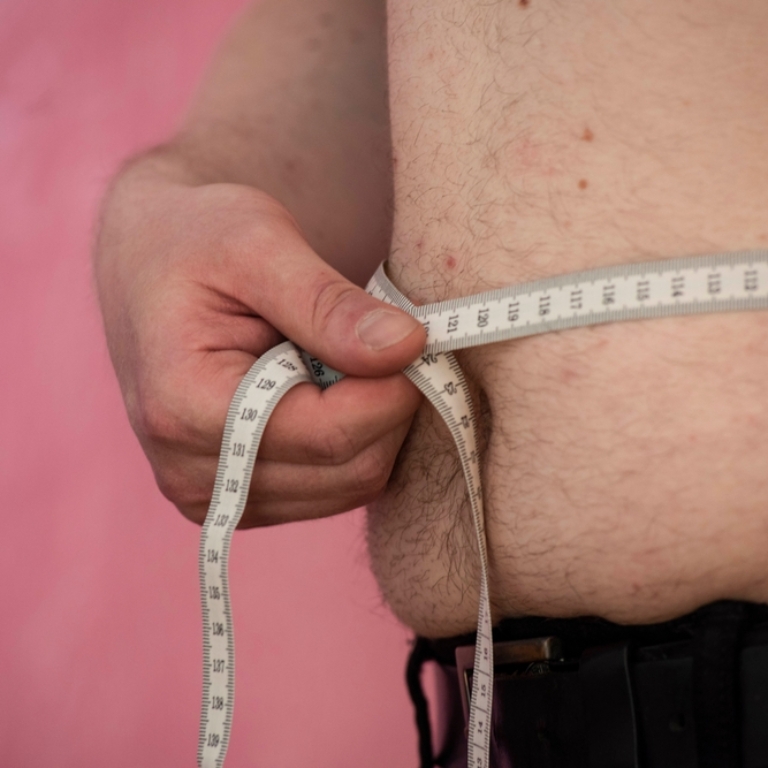
As testosterone levels decrease, some men experience a gradual loss of muscle mass and an increase in body fat. This change in body composition can be especially noticeable around the abdomen. So, if increased testosterone makes you gain weight, that isn’t necessarily a bad thing — if that gained weight was muscle instead of body fat.
Reduced energy is another factor to consider. Lower testosterone levels may contribute to fatigue, decreased motivation, and reduced exercise recovery. When energy levels decline, it can become more difficult to maintain regular physical activity and healthy exercise habits. Over time, reduced activity levels can influence both muscle mass and weight management.
The relationship between testosterone and body fat can also become cyclical. Increased body fat may contribute to hormonal changes, and hormonal changes can make it more difficult to maintain a healthy body composition. This cycle can leave some men feeling as though they are constantly working against their own bodies.
Sleep and stress can further complicate the picture. The body produces much of its testosterone during sleep, making quality rest an important component of hormone health. Chronic sleep deprivation may influence hormone production, appetite regulation, and energy levels.
Similarly, prolonged stress can affect hormone balance. Elevated stress hormones may contribute to fatigue, changes in eating habits, and decreased motivation for physical activity. When these factors occur together, maintaining a healthy weight can become increasingly challenging.
So, Does Testosterone Make You Gain Weight?
Changes in weight are sometimes a signal that something more may be occurring beneath the surface, which is why some men worry that testosterone makes them gain weight. Some men experiencing low testosterone also have other health conditions that may affect metabolism and body composition. Conditions such as insulin resistance, metabolic syndrome, sleep apnea, and chronic stress can all contribute to fatigue, weight changes, and difficulty maintaining muscle mass. These conditions may occur alongside hormonal changes and can influence overall wellness. This is why addressing symptoms requires a comprehensive approach rather than focusing on a single number on the scale.
Weight gain itself does not automatically mean that testosterone levels are low. Likewise, low testosterone is not necessarily the sole reason someone struggles with body composition. Instead, hormones should be viewed as one piece of a much larger picture that includes sleep, nutrition, physical activity, stress management, and underlying health concerns.
At Alpine Medical Specialty Practices, testosterone replacement therapy is approached with this broader perspective in mind. TRT is not viewed as a quick fix for weight loss or a one-size-fits-all treatment. Instead, the focus is on understanding the complete picture, including symptoms, health history, laboratory findings, and factors that may be affecting metabolism and overall well-being.
When appropriate, testosterone replacement therapy may become part of a personalized treatment plan designed to support healthy hormone levels, improve energy, preserve lean muscle mass, and optimize overall vitality. By addressing hormone health as one piece of a larger wellness strategy, Alpine Medical Specialty Practices helps patients better understand the factors influencing their weight, performance, and long-term health.
While testosterone itself does not directly make you gain weight, changes in hormone levels can influence metabolism, muscle mass, and other conditions that affect body composition. Understanding these connections can provide valuable insight into why your body may not respond the same way it once did and why a comprehensive evaluation may be beneficial.
If you have noticed changes in energy, increasing difficulty maintaining muscle, or unexplained shifts in body composition, learning more about Alpine Medical Specialty Practices’ testosterone replacement therapy program may be an important step toward understanding your hormone health and developing a personalized plan to support long-term wellness. Schedule a consultation with us today!
Add a Comment