

High blood pressure, or hypertension, is a common health issue that affects nearly half of US adults. This equates to approximately 119.9 million individuals. If left unchecked, it can lead to serious complications such as heart disease, stroke, and kidney problems. Conventional medicine often relies on prescription drugs to manage hypertension, but many people seek alternative or complementary approaches to support their overall health. This is where integrative medicine comes in. But can integrative medicine help lower blood pressure?
The Link Between Low Blood Pressure and Integrative Medicine
Integrative medicine combines conventional treatments with evidence-based complementary therapies to enhance overall well-being, taking a comprehensive approach that addresses lifestyle, nutrition, stress, and other factors that impact health. While medications can be effective in managing hypertension, they primarily focus on symptom management and don’t address the root causes of heart disease. Medications may help lower blood pressure temporarily, but they don’t necessarily cure the underlying imbalances that contribute to cardiovascular issues. For many individuals, lifestyle factors such as poor diet, lack of exercise, chronic stress, and unhealthy habits are key contributors to hypertension and poor artery health. So can integrative medicine lower blood pressure?
Functional medicine, a core element of integrative medicine, views the body as an interconnected system, focusing on identifying and addressing these root causes. Instead of merely masking symptoms, functional medicine practitioners examine factors such as nutrient deficiencies, hormonal imbalances, inflammation, and gut health to create a personalized treatment plan. By focusing on natural, holistic methods, functional medicine addresses the imbalances that medications often overlook. In many cases, these therapies can help improve cardiovascular health, reduce stress, and promote long-term wellness without the unpleasant side effects associated with conventional medications. Integrative medicine can not only lower blood pressure but also enhance overall well-being, offering sustainable solutions for heart health.
Addressing Nutritional Deficiencies
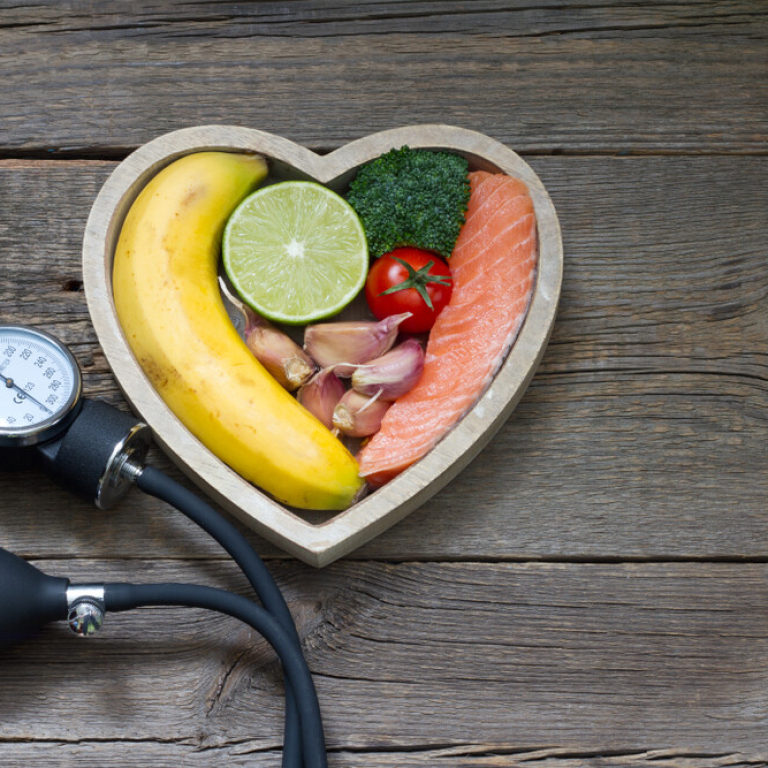
Nutrition is a crucial element in functional medicine, especially when managing hypertension. Many individuals with high blood pressure may be deficient in essential nutrients such as magnesium, potassium, CoQ10, and omega-3 fatty acids, all of which support cardiovascular health. Functional medicine focuses on a whole-food, nutrient-dense diet tailored to each person’s unique needs. The DASH (Dietary Approaches to Stop Hypertension) diet, which emphasizes whole foods, vegetables, lean proteins, and healthy fats, is commonly recommended. This diet helps reduce sodium intake while increasing potassium-rich foods such as bananas, spinach, and sweet potatoes, which help relax blood vessels. Additionally, incorporating heart-healthy foods such as garlic, beets, and flaxseeds can naturally support low blood pressure via integrative medicine. Reducing processed foods, refined sugars, and unhealthy fats is also essential for maintaining optimal blood pressure levels.
Balancing Hormones and Reducing Inflammation
Hormonal imbalances and chronic inflammation are often overlooked contributors to high blood pressure. Elevated cortisol levels from chronic stress can drive sustained hypertension. Functional medicine uses adaptogenic herbs, stress management practices, and targeted lifestyle changes to restore hormonal balance. Addressing inflammation, whether caused by poor gut health, autoimmune conditions, or oxidative stress, is also crucial in lowering blood pressure via integrative medicine.
Optimizing Gut Health
Gut health plays a significant role in regulating blood pressure. Dysbiosis, or an imbalance in gut microbiota, can lead to increased inflammation and poor nutrient absorption, both of which can contribute to hypertension. Functional medicine practitioners may recommend probiotics, prebiotic-rich foods, and gut-healing protocols to improve digestion and support cardiovascular function.
Lifestyle and Stress Management
Stress is a significant contributor to high blood pressure, so functional medicine emphasizes mind-body practices such as meditation, deep breathing, yoga, and acupuncture to help manage stress responses. Effectively managing stress via integrative medicine not only lowers blood pressure but also enhances overall well-being.
Regular physical activity is another key factor in reducing hypertension. Activities such as brisk walking, swimming, cycling, and movement therapies such as Qi Gong and dance therapy improve circulation and strengthen the cardiovascular system. Even a daily 30-minute routine can make a noticeable difference.
Poor sleep habits can also contribute to high blood pressure. Creating a calming nighttime routine, limiting screen time, and drinking herbal teas such as chamomile or valerian root can improve sleep quality and support heart health.
Integrative Medicine Can Lower Blood Pressure in Pagosa
Often, medication alone isn’t enough to manage hypertension or reduce the risk of a cardiac event. While medications can play a vital role, they do have limitations. By contrast, integrative medicine can lower blood pressure without causing side effects associated with medication.
At Alpine Medical Specialty Practices, we take a comprehensive, integrative approach to heart health, particularly for conditions such as high blood pressure. Functional medicine focuses on identifying the root causes of hypertension, considering factors such as nutrition, hormonal imbalances, gut health, and inflammation. By developing a personalized treatment plan, we incorporate evidence-based natural therapies alongside lifestyle modifications that support long-term heart health. This approach is designed to complement your current medical care, including the recommendations from your cardiologist, and can often lead to enhanced results without relying solely on medications.
Integrative functional medicine involves a combination of holistic treatments, such as nutritional support, stress management techniques, exercise, and alternative therapies, to improve cardiovascular health. We recognize that each person’s experience with hypertension is unique, and our goal is to offer a customized, well-rounded plan that aligns with your specific health needs. Through small, consistent changes—whether through diet, movement, or mindfulness practices—you can take an active role through integrative medicine in lowering your blood pressure and promoting overall wellness. If you’re interested in exploring how naturopathy and functional medicine can support your heart health, schedule your discovery call with us today. Our team can discuss whether this holistic approach is right for you and create a plan tailored to your needs.
Add a Comment