

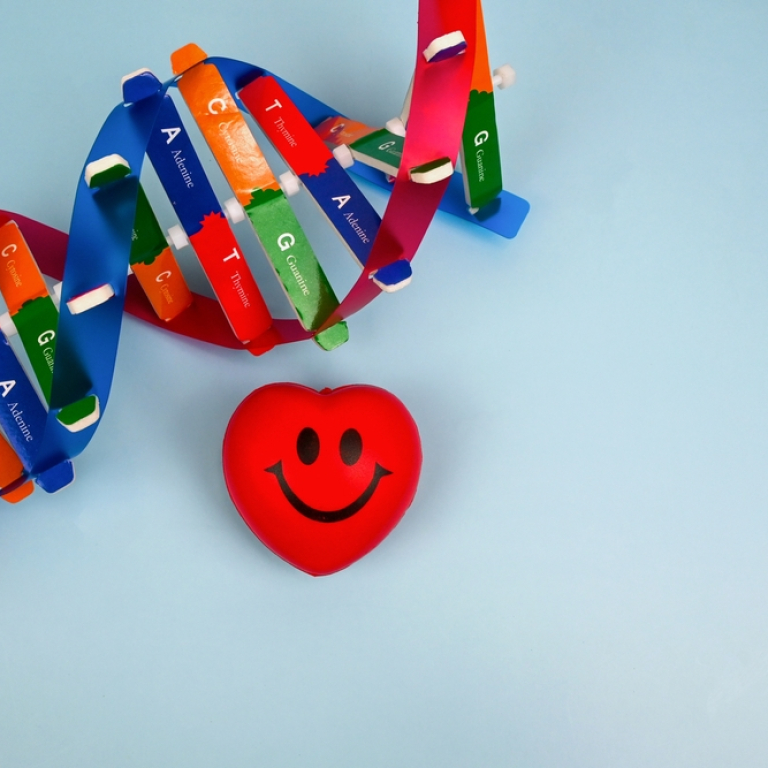
Depression, a multifaceted mental health disorder, affects millions worldwide. Depression can significantly impair quality of life and everyday productivity for even the simplest of tasks. Emerging research highlights the pivotal role of epigenetics, the connection between genes and environment, in the development and progression of depression. Epigenetics and environmental factors may predispose individuals to depression, but Alpine Medical Specialty Practices works with their patients to help in alleviating depression by addressing underlying epigenetic processes within the brain. With new information being discovered every day, Alpine Medical Specialty Practices strives to explain what is known regarding the link between epigenetics and depression, as well as how to use functional medicine to help prevent this mental health epidemic from running your everyday life.
Understanding Epigenetics and Depression
Each person’s DNA code is different; no two are alike. Epigenetics explains how environmental factors influence gene expression without altering the underlying DNA sequence. DNA methylation, histone modifications, and non-coding RNAs make up the key epigenetic mechanisms that regulate gene activity. This activity impacts various physiological and psychological processes, including mood regulation and stress response.
Depression, often characterized by chronic sadness, loss of interest in life, and impaired cognitive function, is the result of complex interactions between genetic predispositions and environmental stressors. Functional medicine describes the body as a whole unit working together, so if one system is interrupted, all bodily functions may be affected.
Studies indicate that individuals with a family history of depression exhibit altered epigenetic patterns. This suggests that there is a heritable component to depression disorders. Also, environmental factors such as adverse childhood experiences, chronic stress, and socioeconomic issues can induce epigenetic changes predisposing individuals to depression later in life.
Genetics and Depression: Unraveling the Genetic Blueprint
Genome-wide association studies (GWAS) have identified numerous epigenetic variants of depression, shedding light on the genetic makeup of the disorder. Though complex with many factors to be discovered, scientists have found that a multitude of genes utilized in neurotransmitter regulation, neuroplasticity, and stress response pathways, if disrupted, can alter cognitive function, which may lead to depression. Specifically, variations in genes modulate neurotransmitter signaling, synaptic plasticity, and stress reactivity, contributing to a person’s vulnerability or resilience to depression in response to environmental stressors.
Environmental Factors: Nurturing Depression Vulnerability
Environmental exposures during critical developmental periods can exert profound and enduring effects on a person’s epigenetic programming, leading to susceptibility to depression later in their life. Adverse childhood experiences, such as abuse, neglect, and trauma, disrupt neurodevelopmental processes and alter stress response systems. This can predispose individuals to psychiatric disorders, including depression.
Chronic stress, social isolation, urbanization, and socioeconomic disparities make up additional environmental risk factors associated with depression etiology. These stressors dysregulate normal hypothalamic-pituitary-adrenal (HPA) axis activity, induce inflammatory processes, and compromise neuroplasticity. The disruption in cognitive function by environmental factors can lead to overt depressive symptoms and increase susceptibility to recurrent episodes in the future.
A Holistic Approach to Depression Management
Functional medicine adopts a personalized, systems-oriented approach to address the underlying root causes of illness. With this whole body mindset, functional medicine practitioners integrate conventional and complementary therapies to optimize health and well-being. In regards to epigenetics and depression, functional medicine practitioners recognize the intricate relationship between genetic susceptibilities, environmental influences, and lifestyle factors. This knowledge allows for tailoring therapeutic interventions to restore balance and promote resilience in patients.
Nutritional modifications to a person’s diet, including micronutrient supplementation, play a pivotal role in controlling epigenetic mechanisms and neurotransmitter synthesis. Modifying the patient’s diet can help to alleviate depressive symptoms and enhance mood regulation. Incorporating foods such as omega-3 fatty acids, folate, vitamin D, and magnesium provide antidepressant properties, fostering synaptic plasticity and neurogenesis for proper cognitive function.
Functional medicine also encourages lifestyle modifications such as encompassing stress management techniques, mindfulness-based practices, physical activity, and proper sleep habits as interventions for epigenetic depression. This may include incorporating daily meditations or lunchtime walks in a patient’s day-to-day schedule. These interventions can help the negative impact of chronic stress, enhance emotional resilience, help in promoting recovery, and prevent relapse.
Alpine Specialty Medical Practices Confronts Depression
There is a complex relationship interplay between epigenetics and depression, emphasizing the dynamic nature of gene-environment interactions in shaping mental health outcomes. While genetic predispositions may enhance vulnerability, environmental factors also contribute to gene expression, exerting profound effects on mood regulation and stress response systems.
Functional medicine offers a promising model for epigenetic depression management by emphasizing personalized interventions aimed at targeting underlying epigenetic mechanisms and utilizing holistic approaches to optimize mental and emotional well-being. By integrating genomic insights, lifestyle modifications, and complementary therapies, functional medicine empowers individuals to embark on a transformative journey toward resilience, vitality, and emotional balance in the face of depression’s formidable challenges.The team at Alpine Specialty Medical Practices recognizes the epidemic and effects of mental health disorders within the United States. Our one-on-one approach to medicine and healing allows for a more comprehensive and personalized approach to healing epigenetic depression and maintaining a healthy mindset and lifestyle in the wake of predisposed genetics and everyday environmental factors. Depression can look different for everyone. If you are facing the heaviness of depression in your day-to-day life, call today for a one-on-one consultation with our team. Together, we can move forward to combat the heaviness of deprssion and you can live your best life!
Add a Comment